

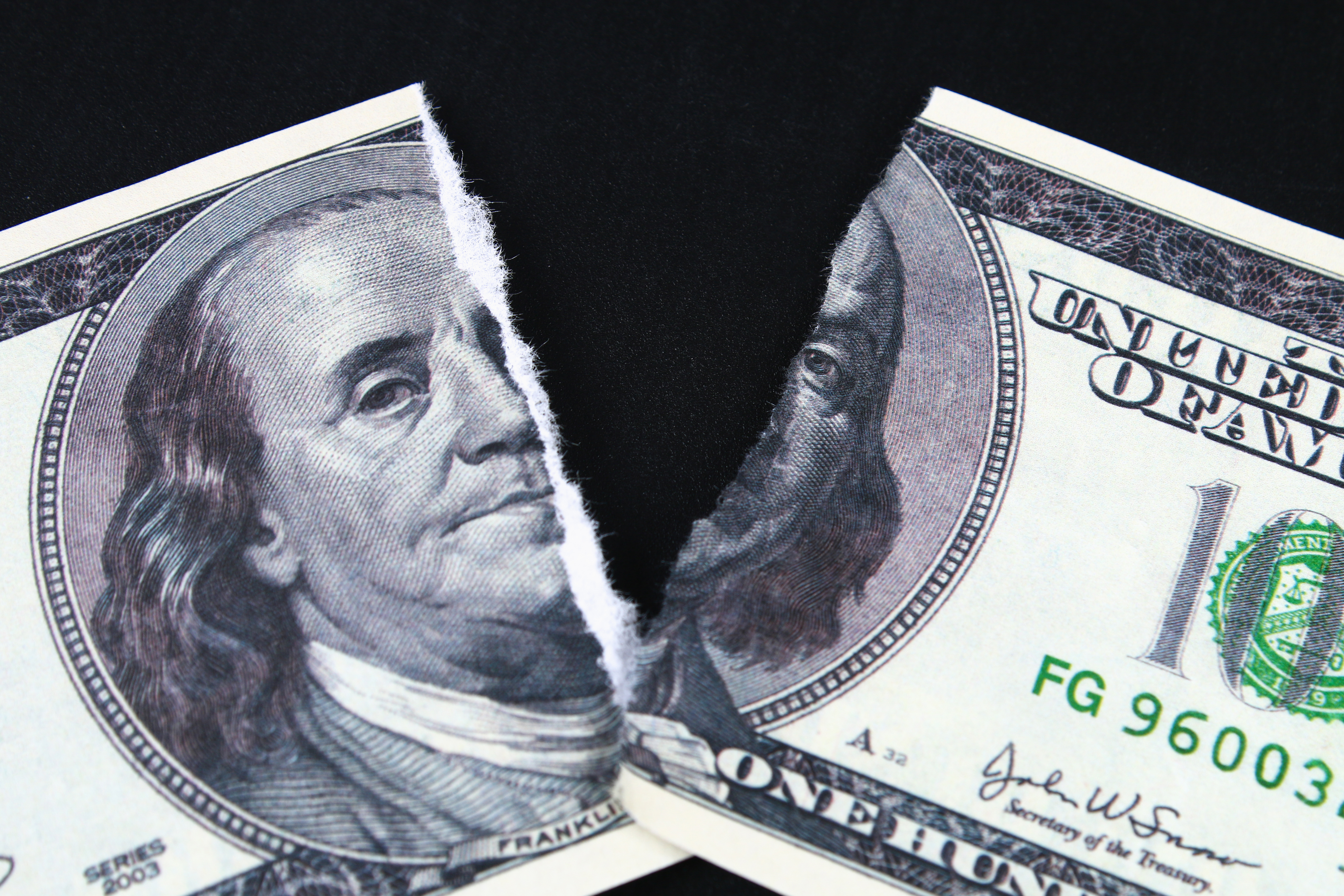
America’s Sixth Default: What It Could Mean for Gold and Wealth Preservation
In times of financial stress, history shows that governments rarely default in obvious ways. Instead of outright failure, they change the rules. According to historical precedent, the United States has already done this five times — and growing fiscal pressures suggest a sixth may be unfolding.
For investors focused on long-term wealth preservation, this raises an important question: what happens to purchasing power when governments can no longer meet their obligations honestly?
A History of “Rule Changes,” Not Headlines
The United States has never formally announced a default in the way a struggling corporation might. Instead, past defaults arrived quietly — through missed payments, currency debasement, or the removal of gold and silver backing from money.
Examples include:
Missed interest payments during the War of 1812
The issuance of unbacked “Greenbacks” during the Civil War
The cancellation of gold clauses in 1933
The end of silver redemption in the 1960s
The closure of the gold window in 1971
Each time, creditors were technically paid — but not in money with the same value they were promised.
Why Today’s Situation Is Different — and More Concerning
The current challenge facing the US government is not temporary. Federal debt continues to rise, spending commitments are locked in, and interest costs have surged beyond US$1 trillion per year.
Key pressures include:
Entitlement programs such as Social Security and Medicare, which continue to expand as the population ages
Rising defense and welfare spending, which remain politically untouchable
Exploding interest costs, now rivaling or exceeding other major budget items
Even dramatic tax increases would be insufficient to reverse this trajectory. The reality is that spending is structurally embedded, and debt levels are increasingly unmanageable.
The Role of the Federal Reserve
In previous eras, defaults involved breaking formal links to gold or silver. Today, all obligations are denominated in fiat currency — money that can be created in unlimited quantities.
This shifts the mechanism of default.
Rather than missed payments, the more likely outcome is currency debasement. As borrowing needs rise, pressure builds on the Federal Reserve to keep interest rates low and absorb government debt. Over time, this erodes the purchasing power of the dollar.
As monetary policy becomes increasingly influenced by political necessity, confidence in long-term currency stability can weaken — particularly among global creditors.
Why Gold Matters in This Environment
Gold has historically played a unique role during periods of monetary stress. Unlike paper currencies, it cannot be created at will and does not rely on government promises.
When confidence in fiscal discipline fades, gold has often served as:
A store of value during currency debasement
A hedge against declining purchasing power
A reserve asset trusted beyond political systems
It is no coincidence that central banks around the world continue to accumulate gold as debt levels rise globally.
A Slow-Motion Event, Not a Sudden Shock
If a sixth US default unfolds, it is unlikely to arrive as a single dramatic announcement. More plausibly, it would appear gradually — through sustained inflation, financial repression, and declining real returns on cash and bonds.
By the time these effects are widely acknowledged, opportunities to reposition may already be limited.
What This Means for Investors
Periods of structural debt and monetary expansion tend to reward preparation, not reaction. Diversification into tangible assets has historically been one way investors sought to protect long-term wealth during such transitions.
At Vault Metal, we believe understanding macroeconomic risks is essential to building resilient portfolios. Gold’s role is not about speculation — it is about preserving purchasing power when financial systems are under strain.
As history reminds us, when the rules change, those holding real assets tend to fare better than those relying solely on promises.
