

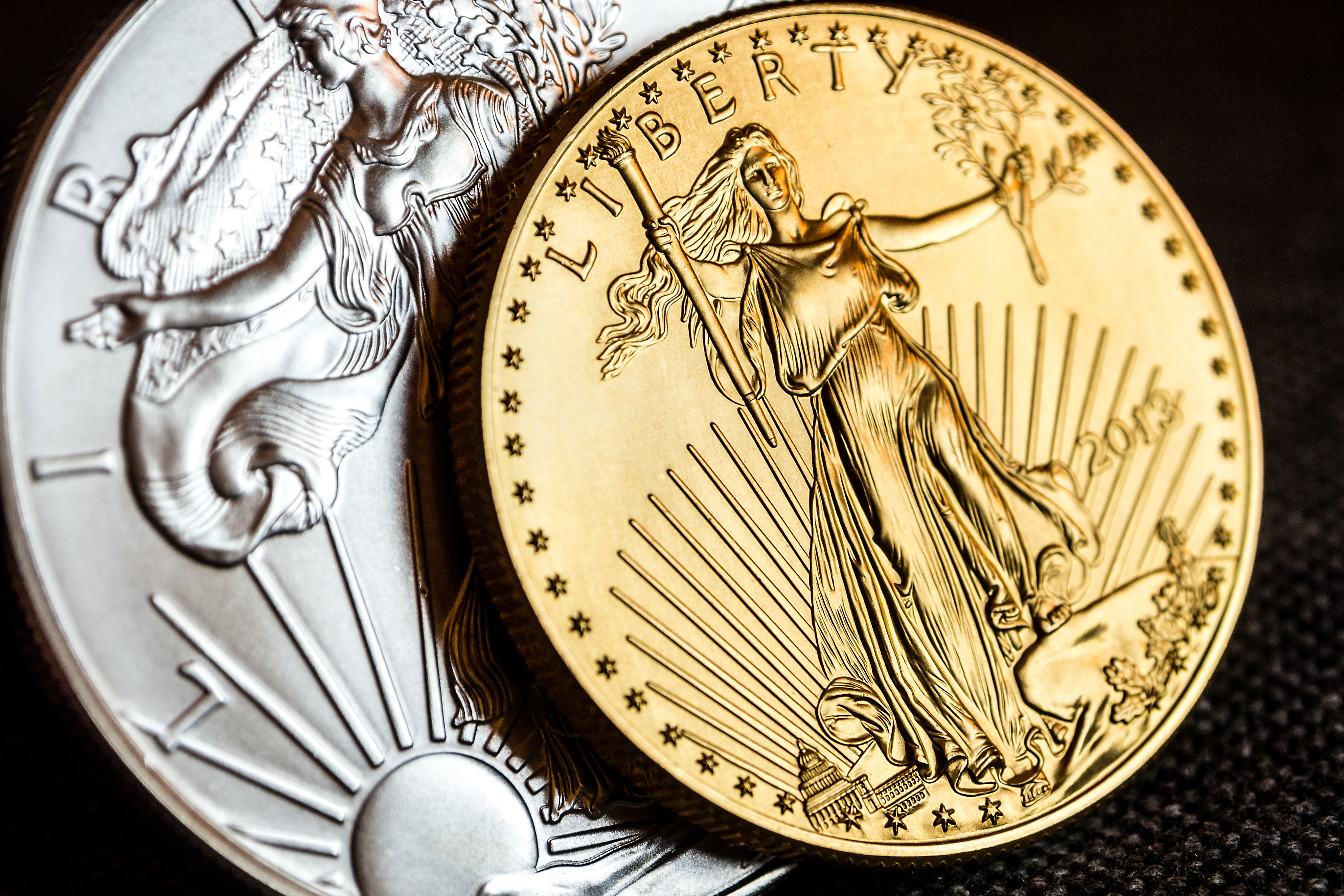
States Where Gold and Silver Have Become Legal Tender
Across the United States, a growing number of states are taking meaningful steps toward recognizing gold and silver as legal tender. These legislative efforts reflect a broader interest in sound money principles, inflation protection, and greater financial sovereignty at the state level. While paper currency remains dominant, these developments signal a shift in how precious metals may function alongside traditional money in the future.
A Growing Movement Toward Sound Money
Several states have passed laws formally recognizing gold and silver—particularly U.S. government–minted coins—as legal tender. In many cases, these laws also eliminate sales taxes or capital gains taxes on precious metals transactions, removing barriers that previously limited their everyday use.
Some states have gone even further by laying the groundwork for secure depositories and electronic payment systems backed by physical metals. These innovations aim to make gold and silver more practical for modern transactions while preserving their role as tangible stores of value.
States Leading the Way
Below are examples of states that have enacted legislation recognizing gold and silver as legal tender or granting them special tax-exempt status:
West Virginia
Clarified that U.S.-issued gold and silver coins are legal tender and exempted investment metal bullion from taxation, effective July 1, 2024.Wyoming
Passed the Wyoming Legal Tender Act in 2018, recognizing gold and silver as legal tender for debts and taxes and eliminating state and local taxes on precious metals transactions.Utah
Allows gold and silver coins to be used in transactions and exempts certain exchanges from state capital gains tax.Arizona
Explicitly recognizes U.S. government–issued gold and silver coins as legal tender.Kansas
Defines gold and silver coins and bullion as legal tender and provides tax-exempt status for U.S.-minted coins.Oklahoma
Recognizes U.S.-minted gold and silver coins as legal tender and exempts them from state taxation.Texas
Allows precious metals stored in the Texas Bullion Depository to be used in everyday transactions through electronic payment systems, a significant step toward modernized metals-based payments.Missouri
Declares specie legal tender and certain electronic currency forms acceptable for both public and private debts.Louisiana
Eliminated sales tax on gold and silver currency and bullion, making it one of the most metals-friendly states in the country.Tennessee
Recognizes gold and silver coinage as legal tender and authorizes their use for tax payments.South Carolina
Considers both domestic and internationally minted gold and silver coins as legal tender.
What This Means for Investors and Citizens
These legislative actions highlight a renewed interest in gold and silver as reliable forms of money—not just investment assets. By reducing tax burdens and encouraging acceptance, states are opening the door for precious metals to play a larger role in daily commerce and long-term financial planning.
While widespread adoption will depend on private-sector participation and technological integration, these developments suggest that the use of gold and silver in the U.S. economy may continue to expand. Over time, this could offer individuals greater choice, stability, and protection against currency volatility.
Looking Ahead
As more states explore similar legislation, the momentum behind sound money continues to build. Whether used as a hedge, a store of value, or a medium of exchange, gold and silver are increasingly being recognized for their enduring role in the financial system.
Sources
States Where Gold and Silver Have Become Legal Tender (Updated 2025)
