

Physical Silver Demand Is Reshaping the Market — Why This Matters for Investors in 2026
The silver market is undergoing a significant transformation — and it’s not being driven by futures contracts or paper pricing anymore.
Recent market dynamics show that physical demand for silver is starting to dictate price behavior, pushing back against the traditional paper-driven futures system that has dominated trading for decades. This shift has important implications for investors, collectors, and anyone interested in precious metals as part of a long-term financial strategy.
Paper vs. Physical: What’s the Difference?
The silver market has historically operated on two separate pricing systems:
Paper Silver
This includes futures contracts, derivatives, and exchange-traded products that promise delivery of metal at a future date. These instruments dominate price discovery on major exchanges like COMEX and often influence headline prices.
Physical Silver
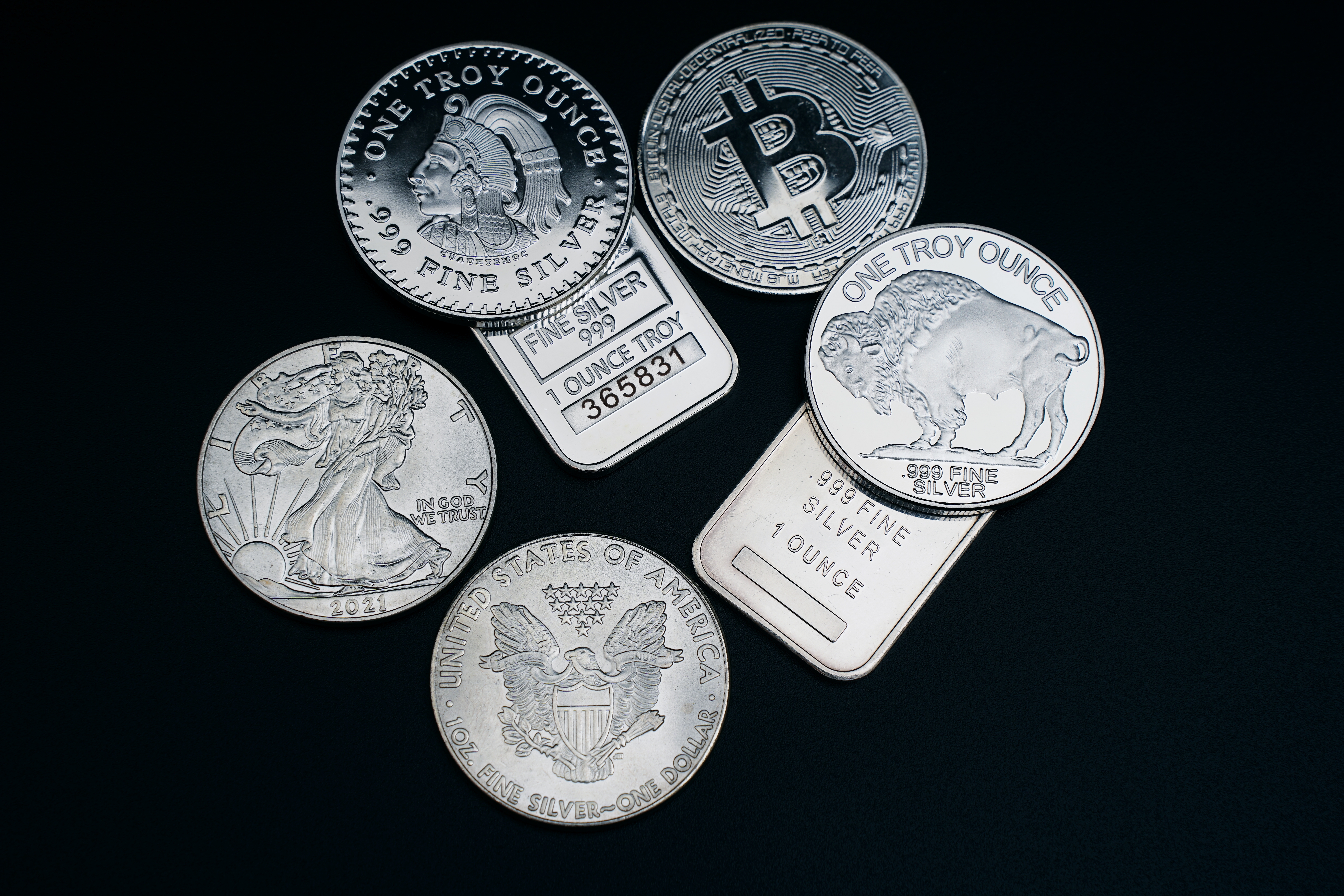
Physical silver refers to actual metal — bars, coins, and deliverable bullion — that investors, mints, industrial consumers, and traders can take direct possession of. Physical demand comes from real use cases or investment holdings that require delivery of actual ounces.
What’s unfolding now is a growing disconnect between these two markets — and for the first time in years, physical demand is showing real power in challenging futures pricing.
Why Physical Demand Is Now Dominating
While futures markets have historically set prices based on leverage, hedging, and speculative positioning, multiple recent trends have brought physical demand into sharper focus:
Tighter Physical Supply vs. Paper Claims
The amount of paper silver on the books (futures and derivatives) has often far exceeded the actual silver available for delivery. This imbalance can mask true scarcity.
When buyers begin demanding real ounces instead of settlement in cash, it places stress on inventories and forces prices to reflect tangible supply and demand realities rather than purely financial contracts.
Global Physical Demand Is Surging
Industrial usage — especially in solar energy, electric vehicles, medical tech, and electronics — continues to grow. Meanwhile, investor interest in physical bullion bars and coins has surged alongside record price gains.
This surge is not theoretical — physical silver is being rapidly absorbed from exchange vaults in major markets like New York and London, sometimes pushing metal to markets like Shanghai where premiums are higher.
Premiums & Regional Price Divergence
Physical silver is trading at premiums in various regions because supply is tight and investors are willing to pay more for immediate delivery — something futures markets do not always capture. Shanghai price premiums, for example, reflect localized shortages and real demand for bullion.
What This Means for Silver Prices
When physical demand begins to outweigh speculative trading:
Paper pricing becomes less reliable as an indicator of true market conditions.
Backwardation — where spot prices exceed future prices — can emerge, signaling urgent demand for immediate delivery.
Premiums on physical bullion can expand, especially for deliverable metal in strong demand.
More investors may choose to hold physical metal over paper claims, tightening supply further.
In essence, the physical market is starting to lead price discovery, not just follow it.
Why Investors Should Pay Attention
This isn’t just a technical market nuance — it has real implications for anyone holding or considering silver:
Stronger Link to Supply and Demand
Physical silver reflects real usage — from technology manufacturing to investment storage — making it more closely tied to economic activity than speculative futures positions.
Premium Signals
When physical bullion commands higher prices than paper benchmarks, it often signals rising scarcity — a fundamental driver of higher long-term valuation.
Risk Management
For long-term holders, physical silver can act as a hedge against inflation, currency weakness, and macroeconomic uncertainty — especially when the market starts to price scarcity rather than sentiment.
Ultimately, while paper markets remain important for liquidity and trading, the physical demand trend is a growing force that cannot be ignored — and it could play a defining role in silver’s 2026 outlook.
Final Takeaway
Silver’s market structure is evolving. What was once dominated by financial speculation is now increasingly reflective of real, physical demand. When investors and industrial users alike compete for actual metal, futures pricing alone no longer tells the full story.
For investors who value transparency, scarcity, and long-term positioning, understanding the physical market — not just paper pricing — is essential.
Sources
Physical Silver Demand Is Challenging Paper-Driven Futures Market, Headline USA — (summary based on original article)
Overview: Silver’s Two Markets — Paper vs Physical, IG Group analysis
Paper Silver vs Physical Silver Pricing and Structure, Indigo Precious Metals
Silver Market Structural Deficits & Delivery Stress, BullionStar analysis
Why Silver Prices Are Rising — Supply, Demand, and Structural Drivers, goldsilver.com
Silver Price Divergence Between US and China Physical Markets, MarketPulse analysis
